Sunday, March 15, 2020

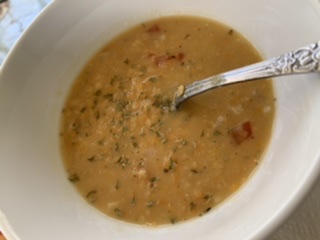
Chickpea Soup with Lemon & Rosemary: Slow Comfort Food for Souper (Soup, Salad & Sammie) Sundays

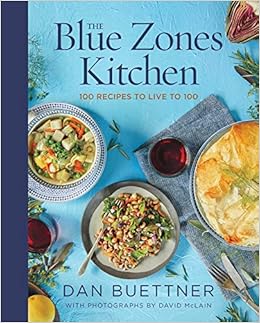
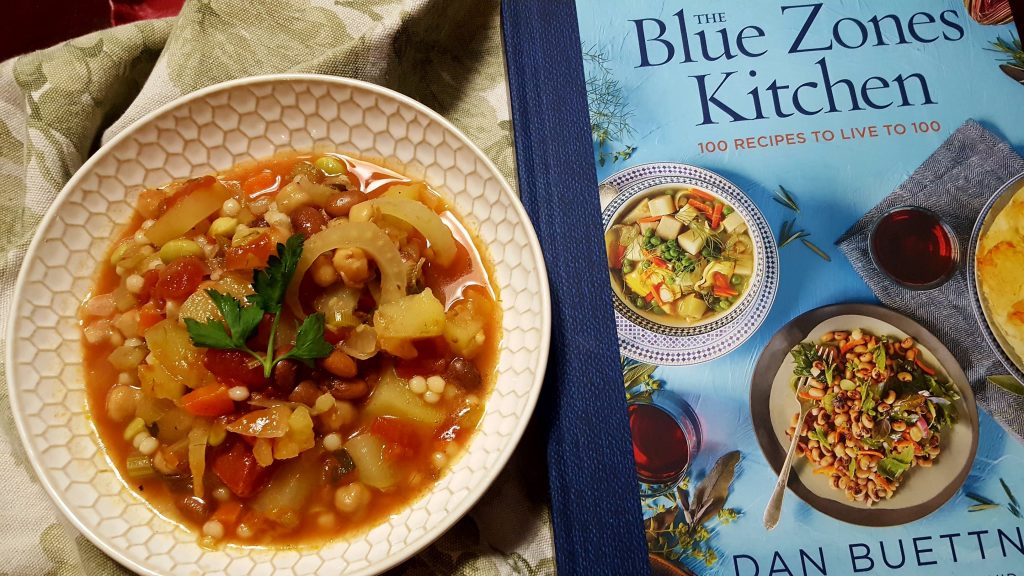
It's Sunday, the day I have been social distancing myself for years, before it has become daily practice. I don't have much to add about the Coronavirus, so I won't...except to say that I hope you and those you love stay safe and healthy and sane with all the madness. For me sanity and nourishing food like a pot of healthy soup are the way to go. This soup is my third recipe from The Blue Zones Kitchen by Dan Buettner. (you can see my first two posts and reviews here and here.) I love chickpeas and lemon and since most of today has been pouring down rain, having this bubbling away on the stovetop has been perfect. I made a couple of small changes to the recipe--noted in red below, including the addition of rosemary.


Dan Buttoner says, "Greeks and Ikarians especially have mastered the art of blending lemon, olive oil, and herbs. This simple soup is a warming alternative to chicken soup in the winter and provides yet another way to creatively render  and incorporate beans into your daily diet. Chickpea soup is one of the most classic comfort foods in Ikaria; you'll find it in almost every home and tavern."


Chickpea Soup with Lemon & Rosemary
Slightly Adapted from The Blue Zones Kitchen
(Makes 6 Servings)

1 lb dried chickpeas, soaked overnight, rinsed, and peeled (or 4 15-oz cans lower sodium chickpeas, drained)
1 medium onion, coarsely chopped (I used 3 medium leeks, chopped)
1 garlic clove, minced
1 bay leaf
(I added 2 no-salt non-chicken broth cubes)
(I added 3 sprigs of rosemary)
1/2 cup extra-vigin olive oil, plus more for serving
salt and pepper (optional)
juice of three lemons, for serving

Place chickpeas in a pot with just enough water to cover; bring to a boil. Remove from heat, drain, rinse, and put into a clean pot. 

Add onion, garlic, bay leaf, and olive oil, and enough water to cover the ingredients. Stir to combine.

If using dried chickpeas, bring to a boil, then simmer for about 2 hours, or until chickpeas are soft.

If using canned beans, bring to a boil, then simmer for 30 minutes; add a few tablespoons of water at a time to thin the soup as needed. 

Remove from the heat and discard bay leaf. Add salt and pepper to taste.

Serve with generous drizzles of lemon juice and olive oil.


Notes/Results: This is a very simple soup, that is low effort --it just cooks for a while but the result is so much more than the ingredients. With the generous lashings of olive oil and lemon, it's almost decadent. I used a good garlic-infused olive oil, broth and rosemary to pump up the flavor and ended up very happy with my results. Hearty and satisfying, I would happily make it again.


Let's see who's here in the Souper Sundays kitchen this week:


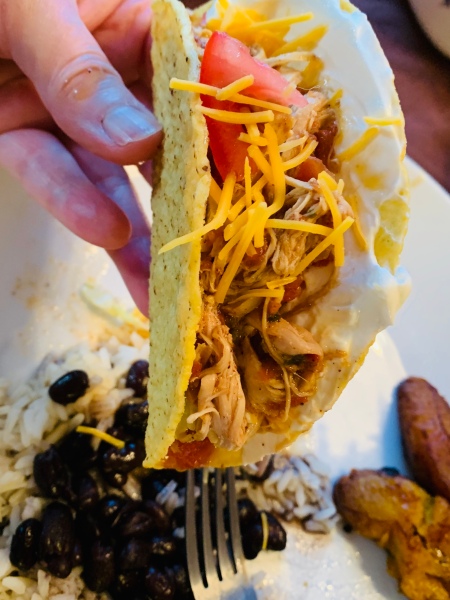
Tina of Squirrel Head Manor shared Chicken Chili Tacos saying, "This is a sandwich, kinda, so I thought about sharing with Deb for Souper Sunday. This is also a meal I consider fun food because it’s messy and mostly handheld. ... The chicken slowly simmering in the slow cooker was a hit. The tacos were messy but aren’t they always, so I’m thinking using tortillas. Doug suggested we simply serve it over rice and that’s probably what we will do next time."


Shawnee from Allotment2Kitchen brought Squash & Thyme Soup, saying "I haven't done much in the way of new or experimental cooking either, finding myself geting into reading both fiction and non- fiction books.  My most recent read was My Name is Why by Lemn Sissay. What I am sharing today is a bowl of Squash and Thyme Soup that I made early this year. Its not much of a recipe really: sauteed  a couple of onions, garlic and thyme in a little olive oil, then scooped out oven roasted squash wedges. Added some vegetable stock and simmered until thickish. Seasoned to taste."


Thank you to Tina and Shaheen for joining me this week!

(If you aren't familiar with Souper Sundays, you can read about of the origins of it here.
If you would like to join in Souper (Soup, Salad, and Sammie) Sundays, I would love to have you! Here's how...

To join in this week's Souper Sunday's linkup with your soup, salad or sandwich:

  • Link up your soup (stew, chili, soupy curries, etc. are fine), salad, or sandwich dish, (preferably one from the current week or month--but we'll take older posts too) on the picture link below and leave a comment on this post so I am sure not to miss you. Also please see below for what to do on your blog post that you link up to Souper Sundays in order to be included in the weekly round-up.
and 

On your entry post (on your blog):
  • Mention Souper (Soup, Salad & Sammies) Sundays at Kahakai Kitchen and add a link back to this post. (Not to be a pain but it's polite and only fair to link back to events you link up at--so if you link a post up here without linking back to this post or my blog on your post, it will be removed.)
  • You are welcome to add the Souper Sundays logo to your post and/or blog (completely optional).

You are invited to the Inlinkz link party!
Click here to enter
Have a happy, healthy week and stay safe out there!
 

Friday, March 13, 2020

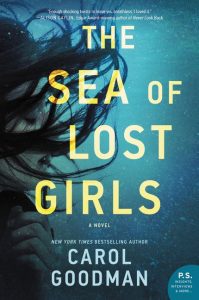
The Book Tour Stops here: A Review of "The Sea of Lost Girls" by Carol Goodman, Served with a Recipe for Butter Cauliflower and Basmati Rice

With all of COVID-19 madness lately I'm happy today's stop on the TLC Book Tour for The Sea of Lost Girls by Carol Goodman. There truly is no better distraction from reality than an absorbing book and good food, so accompanying my review is a recipe for Butter Cauliflower with Basmati Rice inspired by the book.


Publisher's Blurb:
 
In the tradition of Daphne du Maurier, Shari Lapena, and Michelle Richmond comes a new thriller from the bestselling author of The Lake of Dead Languages—a twisty, harrowing story set at a prestigious prep school in which one woman’s carefully hidden past might destroy her future.

Tess has worked hard to keep her past buried, where it belongs. Now she’s the wife to a respected professor at an elite boarding school, where she also teaches. Her seventeen-year-old son, Rudy, whose dark moods and complicated behavior she’s long worried about, seems to be thriving: he has a lead role in the school play and a smart and ambitious girlfriend. Tess tries not to think about the mistakes she made eighteen years ago, and mostly, she succeeds.

And then one more morning she gets a text at 2:50 AM: it’s Rudy, asking for help. When Tess picks him up she finds him drenched and shivering, with a dark stain on his sweatshirt. Four hours later, Tess gets a phone call from the Haywood school headmistress: Lila Zeller, Rudy’s girlfriend, has been found dead on the beach, not far from where Tess found Rudy just hours before.

As the investigation into Lila’s death escalates, Tess finds her family attacked on all sides. What first seemed like a tragic accidental death is turning into something far more sinister, and not only is Tess’s son a suspect but her husband is a person of interest too. But Lila’s death isn’t the first blemish on Haywood’s record, and the more Tess learns about Haywood’s fabled history, the more she realizes that not all skeletons will stay safely locked in the closet.
  
 
Paperback: 320 pages  
Publisher: William Morrow Paperbacks (March 3, 2020)

My Review:

The Sea of Lost Girls is the first book I have tried from author Carol Goodman which seems odd since she has written fourteen novels. I was drawn to the book's description and to the gorgeous cover and I stayed for the absorbing story and mystery which has a slightly mythical and magical feel to it. There are plenty of secrets from the prep school and coastal setting to the layers of family drama, and Goodman's writing pulled me into the story. I didn't always agree with the main character Tess and some of her choices (OK, I may have lectured her in my head while reading several times...and possibly yelled at her at least once!), but Goodman had me caring about her and I wanted things to work out for her and her troubled son Rudy, and their fractious relationship. I am a sucker for boarding/prep school settings and especially when there is something slightly foreboding about them, so the Maine coast and the school's and community's legends of missing and drowned girls was appealingly creepy. The Sea of Lost Girls is a fast read although it moved a bit slow in the beginning. Once the pace picked up I read it in just a couple of sittings, wanting to know what happened and to see if my guesses were correct. There are several twists and turns in the book, a few I saw coming and some I didn't. All in all, I enjoyed my time with this book and I will look for more of Goodman's work.

-----


Author Notes: Carol Goodman is the critically acclaimed author of fourteen novels, including The Lake of Dead Languages and The Seduction of Water, which won the 2003 Hammett Prize. Her books have been translated into sixteen languages. She lives in the Hudson Valley with her family, and teaches writing and literature at the New School and SUNY New Paltz.
Find out more about Carol on her website, and connect with her on Facebook and Instagram.

-----

Food Inspiration:

Food isn't a big presence in The Sea of Lost Girls but there were some mentions including almond milk and tofu, cumin for a curry for dinner, orange juice, coffee, granola bars, hot chocolate and cookies, Coke, fresh fish and blueberries, s'mores, berry wine, Pancake Sundays, Chili Night. beef stew, Malbec, loose tea and English biscuits, donuts, blueberry muffins, "messy vegan casseroles," carrots, cereal, and Gin-and-Tonics. 


For my bookish dish, I decided to make a vegetarian curry inspired by Lila cooking curry at Rudy's house & asking Tess for cumin. Back when I ate meat and poultry, I was a big fan of Butter Chicken and ordered it and made it often. I was going to make a Butter Tofu but because the I Heart Cooking Clubs theme is Cauliflower Everything this week, I decided to do a twofer and swap in cauliflower florets for the chicken in Madhur Jaffrey's Chicken in Butter Sauce, making it a vegetarian dinner. I have made this simple recipe before and substituted shrimp for the chicken (see post) so I knew the sauce would work well with mild cauliflower.  


Butter Cauliflower
Adapted from Madhur Jaffrey
(Makes 4 Servings)

For Sauce:
4 Tbsp tomato puree
2.5 cm (1-inch) cube fresh ginger, peeled and grated very finely to a pulp
300 ml (1/2 pint) single cream
1 tsp garam masala
3/4 tsp salt
1/4 tsp sugar
1 fresh hot green chilli, finely chopped
1/4 tsp cayenne pepper
1 Tbsp finely chopped fresh coriander (cilantro)
4 tsp lemon juice
1 tsp ground roasted cumin seeds

For Chicken Cauliflower:
100 g (4 oz) unsalted butter (I used Earth Balance buttery stick)
1 quantity of Tandori Chicken or other cooked chicken (I subbed in about a pound of frozen cauliflower florets, thawed.)

First prepare the sauce. Put the tomato puree in a large clear measuring jug. Slowly add water, mixing as you go to make up 250 ml (8 oz) of tomato sauce. Add the remaining sauce ingredients and mix well.

Heat the butter in a wide saute pan or a large frying pan. When the butter has melted, add the spiced sauce. Bring to a simmer and cook on medium heat for a minute, mixing in the butter as you do so. Add the (pre-cooked) Tandori chicken pieces cauliflower. Stir once and put the chicken on a warm serving platter, spooning the extra sauce over the top. (Instead, I added the sauce to the butter and stirred to mix, then added the thawed frozen cauliflower and cooked about 8 minutes, until flavors melded and cauliflower was cooked through.)


Notes/Results: Rich and velvety, butter sauce is delicious no matter what you put in it. Cauliflower makes a surprisingly satisfying substitute for chicken and tofu would be equally good. Since I have already tried it with shrimp, I know that's good, and I think fish would work equally well. You could make this vegan by using coconut milk and nondairy butter substitute but I had cream and butter on hand already. I used frozen cauliflower florets, making sure to defrost and drain them thoroughly before cooking them in the butter, which worked well. You could serve it with cauliflower rice if you wanted to go full on cauliflower but I like the nuttiness of the basmati rice. Quick and easy to make, I'll happily make it again.


I'm linking up this Madhur Jaffrey cauliflower dish to I Heart Cooking Clubs where our theme this week is Cauliflower Everything!


And I'm sharing it at the Weekend Cooking event at Beth Fish Reads, a weekly event that is open to anyone who has any kind of food-related post to share. For more information, see the welcome post.


Note: A review copy of "The Sea of Lost Girls" was provided to me by the author and the publisher Harper Collins via TLC Book Tours. I was not compensated for my review and as always, my thoughts and opinions are my own.  

You can see the stops for the rest of this TLC Book Tour and what other reviewers thought about the book here.


Sunday, March 8, 2020

Tomato Pasta Soup from The Blue Zones Kitchen for Souper (Soup, Salad & Sammie) Sundays

I was lucky enough to get a copy of the gorgeous The Blue Zones Kitchen: 100 Recipes to Love to 100 by Dan Buettner as part of TLC Book Tours and posted my initial review earlier in the week. (You can see my review here.) I have multiple recipes tagged to make still and since my throat is still tender and I was not feeling like making big efforts in the kitchen, I chose the simple Tomato Pasta Soup from the blue zone of Ikaria, Greece to make for Souper Sundays.


This soup requires almost no effort at all to make. If you are using canned tomatoes, there's not even any chopping and the soup is vegan. Perfect for when you need something easy and satisfying.


Tomato Pasta Soup
Reprinted From The Blue Zones Kitchen by Dan Buettner
(Makes 4 Servings)

Dan Buettner says, "My Ikarian guide Eleni's 103-year-old grandmother taught me this easy soup recipe, which she called kritharaki. She whipped it up quickly, and it satisfied me as much as a meal that takes 20 times longer to prepare. Made with tiny, torpedo-shaped orzo, a Greek variation on risotto, this is peasant food at its best--healthy, hearty, and simple."

4 cups water
2 cups vegetable broth
1 fresh vine-ripened tomato, chopped (or one 15-oz can fire-roasted chopped tomatoes)
1 cup roasted tomato sauce, either fresh or store bought
2 Tbsp extra-virgin olive oil
1 lb orzo or similar short-cut pasta
1 tsp salt
salt and pepper (optional)

In a large soup pot, bring water and broth to a boil.

Add tomatoes, tomato sauce, olive oil, orzo, and 1 teaspoon salt. Stir to combine.

Reduce heat to low and bring pot to a simmer. Cook until you see very small bubbles and broth is thickened, about 20 minutes. Stir occasionally so orzo doesn't stick to bottom of pan. 

Add salt and pepper to taste.


Notes/Results: Just a good and simple tomato pasta soup, really more of a stew with the way the orzo absorbs the broth (I added an extra couple of cups of broth at the end to thin it out just a bit. I also used a garlic olive oil, garlic fire-roasted tomatoes and a good garlic spaghetti sauce too for maximum flavor. This is the perfect "I don't feel like cooking" soup--add a salad for a light but filling meal. I would make it again.


I'll be cooking more from The Blue Zones Kitchen.


Note: A review copy of "The Blue Zones Kitchen" was provided to me by the author and the publisher via TLC Book Tours. I was not compensated for my review and as always, my thoughts and opinions are my own.  

You can see the stops for the rest of this TLC Book Tour and what other reviewers thought about the book here.


Let's see who's here in the Souper Sundays kitchen this week:


Debra of Eliot's Eats shared another soup from The Blue Zones Kitchen, Healthy Minestrone Soup. She says, "It was definitely soup weather so I tried one of three hearty minestrone recipes from the Sardinian section. ... The flavor of this soup is fresh and delicious. I had a hard time following the directions (I’ve revised them here). I think things just got confusing whether you were using dried beans or canned. Also please know that you will need to use your largest soup pot."


Judee of Gluten Free A-Z Blog shared her Vegetable Kabob Appetizers--like a salad on a stick. She says, "I like this type of appetizer because it can be made in advance, it doesn't need to be heated before guests arrive, and it's versatile, making it very practical for the host. I used pickled beets, mozzarella balls, artichoke hearts, and different colored cherry tomatoes. If you prefer a vegan skewer, omit the mozzarella balls. If you don't like beets (my husband despises them), substitute something else."


Tina of Squirrel Head Manor brought Red Lentil Soup inspired by Cook the Books February/March selection, Pomegranate Soup. She said, "There were so many interesting dishes served up in this book but the recipe for lentil soup grabbed me right away. I had been wanting to make red lentil soup for a long time."


Thank you to all who joined me this week!

(If you aren't familiar with Souper Sundays, you can read about of the origins of it here.
If you would like to join in Souper (Soup, Salad, and Sammie) Sundays, I would love to have you! Here's how...

To join in this week's Souper Sunday's linkup with your soup, salad or sandwich:

  • Link up your soup (stew, chili, soupy curries, etc. are fine), salad, or sandwich dish, (preferably one from the current week or month--but we'll take older posts too) on the picture link below and leave a comment on this post so I am sure not to miss you. Also please see below for what to do on your blog post that you link up to Souper Sundays in order to be included in the weekly round-up.
and 

On your entry post (on your blog):
  • Mention Souper (Soup, Salad & Sammies) Sundays at Kahakai Kitchen and add a link back to this post. (Not to be a pain but it's polite and only fair to link back to events you link up at--so if you link a post up here without linking back to this post or my blog on your post, it will be removed.)
  • You are welcome to add the Souper Sundays logo to your post and/or blog (completely optional).

You are invited to the Inlinkz link party!
Click here to enter
Have a happy, healthy week!
 

Friday, March 6, 2020

The Book Tour Stops Here: A Review of "The Blue Zones Kitchen" by Dan Buettner, Served with Coconut Chia Pudding

I am very excited to be a stop on the TLC Book Tour for The Blue Zones Kitchen: 100 Recipes to Live to 100 by Dan Buettner, a gorgeous new cookbook from National Geographic. Along with my review, I'm sharing a tasty and healthy recipe for Coconut Chia Pudding from the book.


Publisher's Blurb:

Best-selling author Dan Buettner debuts his first cookbook, filled with 100 longevity recipes inspired by the Blue Zones locations around the world, where people live the longest.

Building on decades of research, longevity expert Dan Buettner has gathered 100 recipes inspired by the Blue Zones, home to the healthiest and happiest communities in the world. Each dish–for example, Sardinian Herbed Lentil Minestrone; Costa Rican Hearts of Palm Ceviche; Cornmeal Waffles from Loma Linda, California; and Okinawan Sweet Potatoes–uses ingredients and cooking methods proven to increase longevity, wellness, and mental health. Complemented by mouthwatering photography, the recipes also include lifestyle tips (including the best times to eat dinner and proper portion sizes), all gleaned from countries as far away as Japan and as near as Blue Zones project cities in Texas. Innovative, easy to follow, and delicious, these healthy living recipes make the Blue Zones lifestyle even more attainable, thereby improving your health, extending your life, and filling your kitchen with happiness.


Hardcover: 304 pages
Publisher: National Geographic; 1st edition (December 3, 2019)

My Review:

I have been reading and learning about the blue zones for a few years now--those places around the world where people live the longest, and live happy and healthy lives. I'd watched Dan Buettner on a few talk shows before the book came out and I was on the waiting list at the library before I had an opportunity to jump on this book tour and I consider myself really lucky to get a copy of my own to review. The Blue Zones Kitchen is actually more than a cookbook, it's also a wellness book, a travelogue and a resource for healthy eating and longevity. Because it is published by National Geographic, you know it's going to be full of beautiful and breathtaking photos of food as well as the blue zones it represents and some of the people living their best lives in the five blue zones: Sardinia (Italy), Okinawa (Japan), Nicoya (Costa Rica), Ikaria (Greece), and Loma Linda (California)

The book starts with an index of the recipes and a general introduction to the blue zones, tips for eating to be 100, and The Blue Zones Food Guidelines which include Retreating From Meat, Go Easy On Fish, Cut Down on Eggs, Eat A Daily Dose of Beans, and Slash Sugar. Indeed, Buettner notes that he chose plant-based recipes for the book as his research shows that eating mostly plants is the best way to achieve longevity. From there the book is broken down by each zone with a slice of life there, key foods and people of the region and of course the recipes. The recipes include small plates, entrees, salads and soups, beverages and desserts. Not every recipe has a picture, but those that do are stunning and the information on the people, foods, and customs interesting. There's a page on How to Cook Beans (remember your daily dose) and a list of the Top Longevity Ingredients for each country and a Metric Conversions chart. 

The only thing I found lacking was a good index of the recipes by type and ingredient. When I cook it's usually based on what foods I have on hand or want to eat and the type of dish it is--main dish, breakfast, salad, etc.--the recipes are only listed by country which isn't exactly practical in the kitchen. Otherwise I have no complaints and I've tagged many recipes to make from each country like from Sardinia, Quick Greens and Onions, Fennel and Potato Cassola, Toasted Fregula with Asparagus, Spaghetti with Walnut Pesto, Porcini Mushroom Risotto, Quick and Chunky Tomato Sauce, and Chickpea (Falafel) Patties. From Okinawa I want to try Green Papaya Champuru, Sweet and Spicy Carrot Medley, Mushroom Dashi, Cream of Pumpkin Soup, Tofu Steak with Miso Mushrooms, Iced Banana Turmeric Smoothie, and Chinese Five-Spice Banana Ice Cream with Roasted Pineapple. From Nicoya I tagged Veggie Hash with Corn and Onions, Hearts of Palm Ceviche, Hearts of Palm Picadillo, Tender Bean, Potato and Onion Stew, Sweet Corncakes, Lemonade with Chan (or chia) Seeds, and Breadfruit (Ulu) Poke. Ikaria, Greece tempted me with Tomato Pasta Soup, Fennel Pot Pie, Chickpea Soup with Lemon and Herbs, Winter Potato Salad, Baked Rosemary Chickpeas, Ingenious Garlic Spread, and Ikarian Winter Ratatouille. Finally from Loma Linda, California I tagged Cantaloupe Berry Cooler, Granola Mexicana, Oatmeal Breakfast Cookies, Adventist Gumbo, Haystacks (Adventist Taco Salad), Veggie No-Meat Balls, One-Pot Lasagna Soup and 4-Ingredient Chocolate Mousse Pie.

The recipes I looked at and the one I have tried so far seemed easy enough. Those challenged by limited shopping options may struggle with some of the ingredients like fregula, yucca or green papaya--although for example with an ingredient like hearts of palm, although I can buy it fresh here, the recipe mentions that canned or jarred can be used and may be easier to locate for most people. A natural foods store and a good grocery store should get you most of the ingredients called for. It may not be the book for a beginner cook or a voracious carnivore, but those interested in cooking to improve or maintain their health will find plenty to love about The Blue Zones Kitchen. I am looking forward to cooking much more from it as soon as I have shaken the bug I have been battling. 

-----

Author Notes: Dan Buettner is the founder of Blue Zones, an organization that helps Americans live longer, healthier lives. His groundbreaking work on longevity led to his 2005 National Geographic cover story “Secrets of Living Longer” and two national bestsellers, The Blue Zones and Thrive. He lives in Minneapolis, MN. 

Visit him on Facebook, Instagram, and Twitter, and at his website bluezones.com

-----

I had planned to cook multiple dishes from this book before reviewing it but I have felt under the weather this past week and didn't get to it. I do plan to make a soup or two from the book and the No-Tuna Tuna Salad (because I am always looking for a good vegan tuna salad recipe) soon, and I'll report back on those dishes. With the sore throat I have been nursing all week, it's cold, smooth and fruity foods that sound the best to me and so the Coconut Chia Pudding from the Loma Linda section was the recipe that tempted me the most. I've made chia pudding before but don't usually use coconut cream or add lemon zest and I wanted to see what they added to the mix. I followed the recipe for this one, just adding a bit of granola and pumpkin seeds to the fresh berries for the topping. 

Update: You can see the recipe and my trial of the Tomato Pasta Soup here!


Coconut Chia Pudding
Reprinted from The Blue Zones Kitchen
(Makes 6 Servings)

Chia seeds, a staple of the Adventist diet, which pack a punch of nutrients as well as an energy boosting blend of omega-3 fats, fiber, protein, vitamins, and antioxidants, have recently become a popular superfood, but their origins are ancient; the Maya used them as food for runners and warriors to enhance endurance and strength. Chia seeds gel up and thicken in liquid, which makes this smooth, creamy pudding something that is healthy enough to eat for breakfast but decadent enough to enjoy as a dessert. 

1 cup coconut cream
1 cup coconut milk
3 Tbsp agave network
1/2 tsp finely grated lemon zest
1/2 (3 oz) chia seeds

Whisk coconut cream, coconut milk, agave nectar, and lemon zest together. Pour over chia seeds and stir well.

Cover with plastic wrap and let sit until thickened, at least 40 minutes or overnight in the refrigerator.

When ready to eat, stir well and top with fruit, nuts, and seeds, if desired.

Note: You can substitute stevia or honey for the agave, and swap in soy milk, almond milk, or rice milk for the coconut milk. If you're watching your fat intake, reduce the amount of coconut or just use a plant-based milk. If you do so, reduce the liquid to 1 1/2 cups to maintain consistency.


Notes/Results: This was perfect for me--sweet, but not too sweet and good coconut flavor. If you have never had chia seed pudding, this is a good starter recipe--the coconut cream makes it ultra rich and creamy. I like to but some fruit on the bottom of my serving dish and another layer on top of the pudding. This makes a good breakfast, snack, or dessert and I would happily make it again.


I'm linking up this post to this month's Foodies Read. You can check out March's Foodies Read linkup, hosted by Heather at Based on a True Story, to see what everyone is reading this month.   


And I'm sharing it at the Weekend Cooking event at Beth Fish Reads, a weekly event that is open to anyone who has any kind of food-related post to share. For more information, see the welcome post.

Note: A review copy of "The Blue Zones Kitchen" was provided to me by the author and the publisher via TLC Book Tours. I was not compensated for this review and as always, my thoughts and opinions are my own.  

You can see the stops for the rest of this TLC Book Tour and what other reviewers thought about the book here.


Tuesday, March 3, 2020

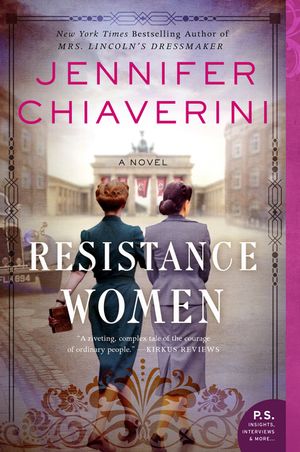
The Book Tour Stops Here: A Review of Resistance Women by Jennifer Chiaverini Served with Pear Streusel Coffee Cake

Happy Tuesday! I am saying that painfully since I got hit with the crud this past weekend and have been home from work yesterday and today, nursing a sore throat and ear and mostly sleeping. It did give me a chance to finally finish Resistance Women by Jennifer Chiaverini and I am happy to be a stop on today's TLC Book Tour for this moving historical novel. Accompanying my review is a semi-homemade (remember the feeling like absolute crudPear Streusel Coffee Cake with Coffee, my interpretation of Kaffee und Kuchen (coffee and cake) inspired by my reading.


Publisher's Blurb:

From the New York Times bestselling author of Mrs. Lincoln’s Dressmaker, an enthralling historical saga that recreates the danger, romance, and sacrifice of an era and brings to life one courageous, passionate American—Mildred Fish Harnack—and her circle of women friends who waged a clandestine battle against Hitler in Nazi Berlin.
After Wisconsin graduate student Mildred Fish marries brilliant German economist Arvid Harnack, she accompanies him to his German homeland, where a promising future awaits. In the thriving intellectual culture of 1930s Berlin, the newlyweds create a rich new life filled with love, friendships, and rewarding work—but the rise of a malevolent new political faction inexorably changes their fate.
As Adolf Hitler and his Nazi Party wield violence and lies to seize power, Mildred, Arvid, and their friends resolve to resist. Mildred gathers intelligence for her American contacts, including Martha Dodd, the vivacious and very modern daughter of the US ambassador. Her German friends, aspiring author Greta Kuckoff and literature student Sara Weitz, risk their lives to collect information from journalists, military officers, and officials within the highest levels of the Nazi regime.
For years, Mildred’s network stealthily fights to bring down the Third Reich from within. But when Nazi radio operatives detect an errant Russian signal, the Harnack resistance cell is exposed, with fatal consequences.
Inspired by actual events, Resistance Women is an enthralling, unforgettable story of ordinary people determined to resist the rise of evil, sacrificing their own lives and liberty to fight injustice and defend the oppressed.
Paperback: 640 pages
Publisher: William Morrow Paperbacks; Reprint edition (February 4, 2020)

My Review:

If you read this blog often and read my book tour reviews, you know that I have a deep love of World War II historical fiction. I am not sure exactly why I love it because if you ever go into a WWII book, any war book really and expect that you will leave it happy and carefree, you obviously are a newbie to the genre. It just doesn't happen. You can end a book with new knowledge, with awe, with admiration, with a (lately very faint hope) that nothing like it will ever happen again, but you never leave it with a light heart. And this certainly is the case with Resistance Women where 600-ish pages of well-researched story based on true people and events was a whole lot for me to get through. I had to keep putting it down and reading other, much lighter things. I postponed my book tour review once due to a cold, busy work weeks and house guests, and by golly even being sick, I was going to finish the book for this tour date. I realize that this makes it sound like I didn't like Resistance Women, but that just isn't the case. This was my first book by Jennifer Chiaverini and it was an incredible interesting story--that taught me about the women of Germany who although they came from different perspectives and walks of life, worked together to aid in the resistance against Adolph Hitler and the Nazis, mostly through the group called the Rote Kapelle (Red Orchestra) by the Nazis. It starts a bit slow as Chiaverini builds each character and their lives from 1929 until the end of the war in 1946, but once I got into the story and the tension started to build, I was hooked.

The book centers around four women, three real life women, one a fictional character inspired by several young women. Mildred Harnack is an American from Wisconsin, studying for her doctorate who marries a german and emigrates to Germany. Greta Kuckoff is a German National who wants to be an author and falls in love with the theater and a married man--a writer and dramatic adviser. Martha Dodd was the the daughter of the US Ambassador to Germany and was witness to Hitler's rise (I have had In the Garden of Beasts, the book about her family by Erik Larson in my TBR stack for ages now). Sara Weitz is a young Jewish literature student from an upper middle class family. I was most drawn to Mildred's and Sara's stories, although all of the women were interesting. Their actions were just as important, heroic and risky as the men in the resistance cell, although they are often overlooked in history as women's contributions tend to be. Chiaverini made each character come to life and made me care about them enough to be googling them and various events and enemies throughout the book which added to the time it took me to read it. It also had the unfortunate effect of giving me advance warning of how things ended for most characters, main and minor, which made it a bit like a scary movie that had me talking to them (OK, sometimes yelling at them) in my head about the decisions they were making over the years as we journeyed to the book's end. 

I have a lot of people tell me they are burned out on WWII novels and it's partially because there have been a lot of great ones that focus on women these past few years, and I do understand. The emotional toil a good and powerful book can take can be exhausting. Resistance Women is an excellent book but I will say that if you are burned out on the era or not able to cope with the horrors of war, maybe you should wait a bit before trying it. But, if you love historical fiction, don't mind a lengthy read, and want to learn some very interesting history in a book that will stay with you after the final pages are turned, I recommend it highly. I'm going to look for more of Chiaverini's books. I just may read a couple of thriller or some humor before I do. ;-)

----- 

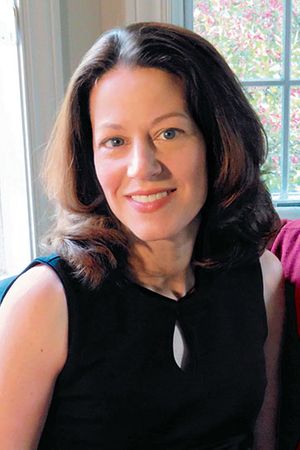
Author Notes: Jennifer Chiaverini is the New York Times bestselling author of several acclaimed historical novels and the beloved Elm Creek Quilts series. A graduate of the University of Notre Dame and the University of Chicago, she lives with her husband and two sons in Madison, Wisconsin.

Find out more about Jennifer at her website, and connect with her on FacebookTwitter, and Instagram.
-----

Food Inspiration: 

Resistance Women starts in 1929 before the Great Depression and then goes through wartime until about 1946 and there are times and places the food is plentiful and when it is scarce but either way, there were plenty of mentions including coffee, a dinner of bratwurst in a vinegar and caper sauce, potato dumplings, cabbage rolls and poppyseed cake for dessert, savory soup and delicate sandwiches, cheap but edible cuts of meat and day-old bread, lentil soup, roast pork with apples and sauerkraut, beer, Pfannkuchen (a German pancake), Feuerzangenbowle (a traditional German drink where a rum-soaked sugarloaf is set on fire and drips into mulled wine), bread, cheese, and slices of smoked sausages, schnapps, wine, roast duck and potatoes, Perigord truffles, Russian caviar and champagne, vegetable soup, tea and cake, a hearty cabbage, potato and sausage soup, sodas, sandwiches and fruit, butter cake, chamomile tea, liverwurst sandwiches, thinly sliced bread, cheese, sausage and tomatoes, Apfelkuchen, dark bread, sliced cold sausages, and cheese, sehr leckere Kekse (German cookies), vodka, champagne and strawberries, potato soup and bread, oatmeal and toast, trays of hors d'oeuvres and cocktails, fried eggs and buttered toast, plain bread and yogurt, scrawny stick of asparagus and rhubarb at the bottom of a bin, greens, tomatoes, summer squash, cabbages and peppers grown in Mutti Harnack's garden, potatoes, carrots and bread, a soup of potato peelings, a piece of cheese scarcely big enough for a sandwich, sacks of rice and beans, cans of fruit, roast potatoes swimming with butter, fresh bread, canned peaches, hot tea with honey, bread, cheese and sliced Mettwurst, cognac, real coffee, cabbage, onion and apples fried in the last of the olive oil, a half loaf of rye bread and a gorgeous red apple, chocolate, Schweineschnitzel and Spatzele, bread spread with margarine, Knackwurst, Spatzle and a beer, breakfast steaks and an apple, bread and jam with milk, and ersatz coffee (a coffee substitute for the real thing).

There were many scenes where characters had various interpretations of Kaffee und Kuchen, the afternoon tradition of enjoying coffee and cake. Some of the cakes seemed to be the more traditional kuchen--the cross between a cake and pie with fruit and pastry cream but I wanted something simpler and decided to go with a coffee cake, more of Streuselkuchen. Although apple was mentioned frequently in the book, a friend just sent me some little apple crisps so I decided to make my cake with pear.


I believe I have mentioned many times that I am not a baker, that and feeling like junk since Saturday meant the last thing I wanted to do was bake a cake, even an easy one. So, I'll confess my dirty little secret--I used a coffee cake mix! (Gasp!) Krusteaz had their cake mixes on special for $2.79 each at my local grocery store including this Cinnamon Swirl Crumb Cake and Muffin Mix. Since I rarely if ever bake, I didn't have flour or sugar or brown sugar on hand, and it would have cost me a lot more to buy even small containers of these ingredients. So, I bought the mix and 3 fresh Bartlett pears and was good to go. I am not ashamed of this, nor particularly proud--it was just  my best option. If you want to make your own, I totally get it and suggest this one from Gale Gand's delightful Brunch! Cookbook which you can find here.


As for me, I simply peeled, cored and sliced my pears and stirred about two heaping cups into the mixed batter (which used water, cooking oil and an egg) and baked it in an 8x8-inch pan at 350 for about 35 minutes (I used my toaster oven which cooks a little hot), until a skewer into the cake came out clean. Although the instructions called for a middle and top streusel, with the chopped pears mixed in, I put all my streusel on the top.


Notes/Results: The resulting cake was light, moist from the pears and not too sweet and bonus--it's the first think beyond popsicles, broth, yogurt and smoothies that hasn't totally killed my throat so far this week and thus it was my dinner tonight. ;-) I would buy the mix again and use it with other fruit for a one bowl and spoon coffee cake.  


I'm sharing this post with the Weekend Cooking event at Beth Fish Reads, a weekly event that is open to anyone who has any kind of food-related post to share. For more information, see the welcome post.
Note: A review copy of "Resistance Women" was provided to me by the author and the publisher Harper Collins via TLC Book Tours. I was not compensated for this review and as always, my thoughts and opinions are my own.  

You can see the stops for the rest of this TLC Book Tour and what other reviewers thought about the book here.